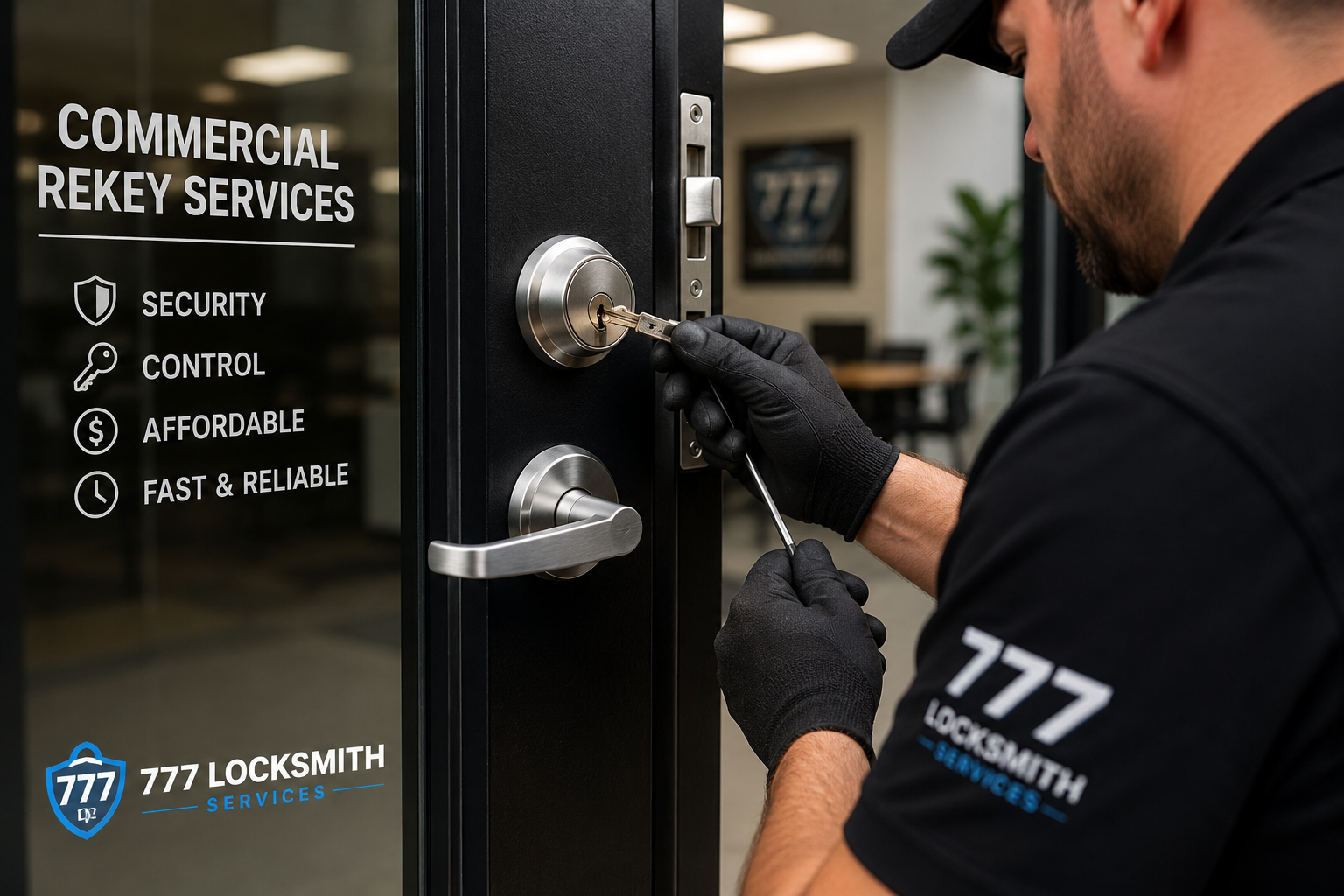
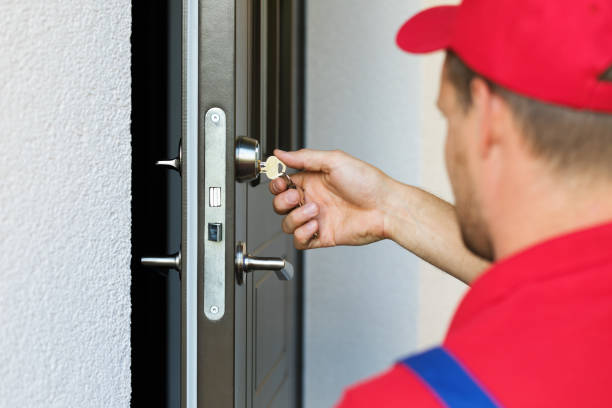
Introduction: How a Proper Lock Change Improves Home Security
When it comes to securing your home or business, a simple lock change can make all the difference. The right lock doesn’t just protect your doors; it safeguards your family, valuables, and peace of mind. Yet, with so many types of locks available today, choosing one that fits your exact security needs can feel overwhelming.
Whether you’re upgrading your home’s security, replacing old door hardware, or investing in advanced systems for your office, this lock buying guide will help you make a smart, informed decision. You’ll learn how to evaluate your property’s weak points, understand lock grades, and discover which models offer the best balance between convenience and protection.
Why a Lock Change Is Often the First Step to Better Security
A professional lock change is more than just swapping old hardware for new. It’s an opportunity to strengthen your property’s first line of defense. Over time, locks wear down, keys get lost, and security technology evolves. If your locks haven’t been updated in years, there’s a high chance your property is vulnerable.
Signs You Need a Lock Change Right Away
- Lost or stolen keys – Immediate lock replacement is crucial to prevent unauthorized entry.
- Visible wear and tear – Corrosion, loose screws, or difficulty turning the key indicate a weak lock.
- Recent move-in or tenant change – Always replace locks to prevent access by previous residents.
- Break-in attempt – Even if unsuccessful, damaged locks should be changed immediately.
Conducting a routine lock change ensures your home stays ahead of potential security threats while keeping insurance compliance intact.
Understanding Lock Grades Before Your Next Lock Change
Before purchasing a new lock, it’s essential to understand ANSI/BHMA lock grades. These standards measure durability, strength, and performance. Choosing the right grade helps ensure your lock can withstand real-world challenges.
Grade 1: Maximum Security for Heavy-Duty Use
Grade 1 locks are typically used for commercial buildings, schools, or main entry doors in high-traffic areas. They’re the most durable, resistant to tampering, and perfect for homeowners who prioritize strong protection during a lock change.
Grade 2: Balanced Protection for Residential Properties
Grade 2 locks offer a solid mix of security and affordability. Ideal for front doors, garages, and side entries, they provide sufficient resistance for most households while remaining user-friendly.
Grade 3: Basic Protection for Interior Doors
If you’re replacing locks on interior doors like bedrooms or storage areas, Grade 3 locks work well. However, they’re not suitable for exterior entrances or areas requiring higher security.
Types of Locks to Consider for Your Next Lock Change
Every lock type serves a unique purpose, and your ideal choice depends on your location, door type, and security goals. Below are the most common options used for residential and commercial lock changes.
1. Deadbolt Locks: The Reliable Standard
Deadbolts are among the most trusted options for exterior doors. They come in single-cylinder (keyed outside, thumb-turn inside) and double-cylinder (keyed on both sides) designs.
When to use: For main doors, garage entry points, and reinforced security needs.
2. Knob Locks: Basic but Useful
Knob locks are often used on interior doors or as secondary protection alongside deadbolts. However, because the lock cylinder is within the knob, they can be easily forced open, so they’re not ideal as your main security feature.
When to use: Bedrooms, bathrooms, and storage areas.
3. Lever Handle Locks: Accessibility Meets Convenience
Lever locks offer easy operation, making them perfect for commercial spaces or homes with elderly individuals. They provide good usability and moderate security when paired with stronger locks during a lock change.
When to use: Office doors, hallways, or interior entries.
4. Mortise Locks: Strength and Longevity
Mortise locks combine strength and sophistication, often found in older or high-end properties. Installed within the door pocket, they resist tampering and deliver impressive durability.
When to use: Commercial buildings, apartment entrances, or heavy wooden doors.
5. Smart Locks: Modernize Your Next Lock Change
Smart locks are redefining how we approach security. They allow remote access, smartphone control, and real-time monitoring. Whether using Wi-Fi, Bluetooth, or keypads, smart locks eliminate the need for physical keys.
When to use: Homes with multiple family members or frequent visitors.
Choosing the Right Material and Finish for Your Lock Change
A lock’s material determines both its strength and longevity. When planning a lock change, consider how your local climate and door placement will affect performance.
Common Lock Materials
- Brass: Durable and resistant to rust, ideal for long-term use.
- Steel: Provides maximum strength but may corrode without proper coating.
- Zinc Alloy: Cost-effective and versatile, but less secure than solid metals.
Finishes That Complement Your Style
- Satin nickel: Modern and smudge-resistant.
- Polished brass: Classic, elegant, and highly visible.
- Matte black: Minimalist design perfect for contemporary homes.
Matching your lock’s finish to your door hardware enhances both aesthetics and durability.
Mechanical vs. Electronic Locks: Which Fits Your Lock Change?
The modern homeowner often faces a big question: stick with traditional mechanical locks or upgrade to electronic systems?
1. Mechanical Locks for Traditional Lock Change
These rely on physical keys and tend to last longer with fewer technical issues. They’re easier to install and more budget-friendly, making them a reliable choice for standard lock change projects.
2. Electronic Locks for Digital Lock Change Solutions
Electronic models use keypads, fingerprint scanners, or smartphone apps for access. They offer keyless convenience but depend on power or batteries, which require maintenance.
Recommendation: Combine both options, use mechanical deadbolts for critical doors and electronic locks for convenience or smart integration.
How Door Type Influences Your Lock Change Decision
Your door’s material and design determine what kind of lock you can install. Choosing incompatible hardware can weaken your overall security.
1. For Wooden Doors
Most standard locks, including deadbolts and mortise locks, work well. Always ensure the strike plate is reinforced.
2. For Metal Doors
Use heavy-duty deadbolts or commercial-grade mortise locks for better resistance.
3. For Glass Doors
Choose double-cylinder deadbolts that require keys on both sides to prevent intruders from breaking the glass and unlocking the door manually.
Security Features to Prioritize During a Lock Change
When replacing or upgrading your locks, focus on features that deter common break-in techniques.
1. Pick and Bump Resistance
Locks with security pins, shielded cylinders, or key control systems make unauthorized entry extremely difficult.
2. Drill Resistance
Reinforced metal plates and hardened steel inserts prevent tampering with drills or tools.
3. Key Control
Some high-security systems allow restricted key duplication, giving you full control over who can copy your keys.
4. Smart Integration
Pairing your lock change with a home automation system adds real-time monitoring and alerts when someone enters or exits.
Tips for Hiring a Professional for Your Lock Change
Even the best lock is only as secure as its installation. Hiring a professional locksmith ensures precise fitting, proper alignment, and maximum functionality.
Questions to Ask Your Locksmith
- Do you provide rekeying and lock change services for both residential and commercial properties?
- Are your locks ANSI/BHMA certified?
- Do you offer a warranty or after-service support?
- Can you integrate smart locks with existing systems?
Maintaining Locks After Installation
After completing a lock change, regular maintenance helps extend the lifespan and prevent failure.
Simple Maintenance Tips
- Clean lock cylinders twice a year using non-oil-based cleaners.
- Lubricate moving parts with graphite powder, not grease.
- Tighten loose screws or handles immediately.
- Avoid slamming doors, which can misalign internal parts.
Routine inspection ensures your new locks continue to function at their best for years.
When to Combine a Lock Change with a Full Door Upgrade
Sometimes, replacing just the lock isn’t enough. If your door frame is weak, cracked, or misaligned, even the best lock won’t protect effectively.
Ideal Times for Full Replacement
- After break-ins, causing frame damage.
- When upgrading to heavy-duty commercial-grade locks.
- If your door warps or doesn’t close tightly.
Upgrading both the door and lock provides comprehensive protection.
Comparing Costs: Lock Change vs. Rekeying
If you’re deciding between a lock change and rekeying, consider your security priorities.
| Feature | Lock Change | Rekeying |
|---|---|---|
| Cost | Higher (new hardware) | Lower (same lock, new key) |
| Security Level | Highest | Moderate |
| Ideal For | Moving into a new property, upgrading to a new model | Lost keys or employee turnover |
| Appearance | Fresh look | No aesthetic change |
For maximum safety, choose a full lock change when dealing with outdated or damaged hardware.
How to Make Your Lock Change More Energy Efficient
While often overlooked, locks can contribute to overall energy performance. Poorly aligned locks cause drafts and increase heating or cooling costs.
Pro tip: During your next lock change, ensure the door seals properly and the strike plate fits snugly. Consider weatherstripping for extra insulation.
Conclusion: Make Every Lock Change Count
Choosing the right lock is one of the most impactful decisions you can make for home or business safety. From understanding lock grades and materials to balancing convenience with protection, your security depends on informed decisions and proper installation. Whether you’re opting for a smart system or a traditional deadbolt, investing time in the right lock change and 777 locksmith services as your immediate go-to locksmith will keep your property secure, efficient, and stylish.