schedule
Open every Sunday - Friday (Saturday : Closed)
phone
Call Us Anytime
786-460-4496

Key Code Lock vs Mechanical Lock: Which Is the Safer Choice for Businesses?

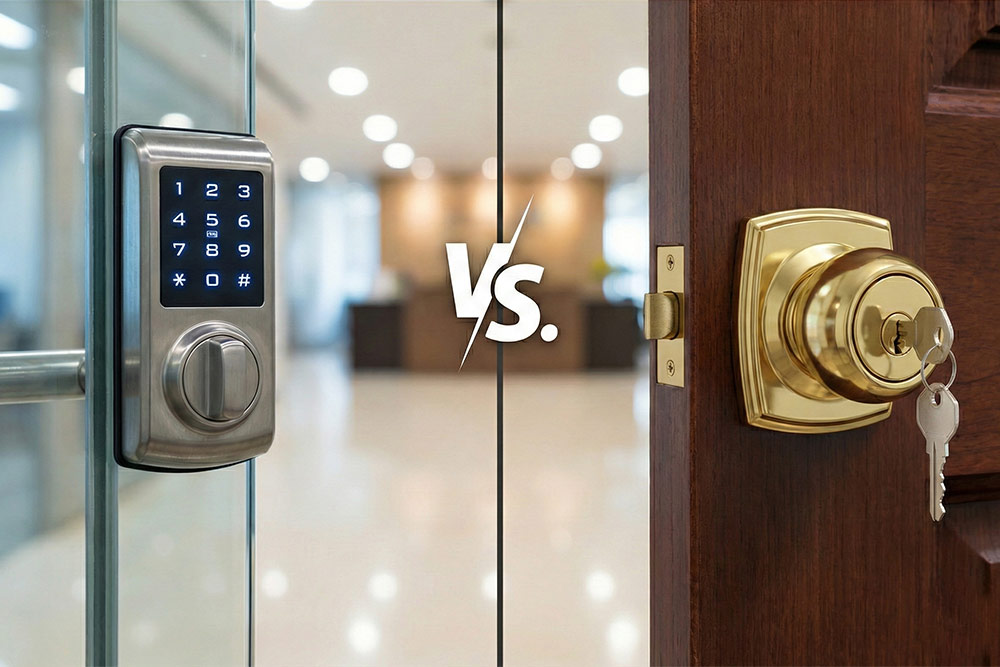
Key Code Lock vs Mechanical Lock

When it comes to protecting your business, one of the most important decisions is choosing the right locking system. Business owners often face a critical choice: Key Code Lock vs Mechanical Lock. Both options offer unique security features, but which one truly provides the safest protection for your business assets, employees, and sensitive information?

In this guide, we will explore Key Code Lock vs Mechanical Lock, comparing their advantages, disadvantages, security features, and practical considerations to help you make the most informed decision for your business.

Key Code Lock vs Mechanical Lock: What You Need to Know

A key code lock, also known as an electronic or digital lock, is a type of locking mechanism that requires a numeric or alphanumeric code to gain entry. Unlike traditional locks, no physical key is needed. Users input a pre-set code to unlock the door, offering flexibility and control.

How Key Code Locks Work

Key code locks operate using electronic circuits or microprocessors. When a user enters the correct code, the mechanism triggers the lock to open. Some advanced models may also integrate with access control systems, allowing for audit trails, temporary access codes, and remote locking/unlocking.

Advantages of Key Code Locks for Businesses

  1. Keyless Access: No need for physical keys reduces the risk of lost or stolen keys.
  2. Access Management: Administrators can easily grant or revoke access for employees, contractors, or visitors.
  3. Audit Trails: Many models log entry times, helping monitor who accessed the premises and when.
  4. Temporary Access Codes: Perfect for temporary staff, deliveries, or maintenance personnel.
  5. Integration with Security Systems: Can be connected with CCTV, alarms, or building management systems.

Disadvantages of Key Code Locks

  1. Power Dependency: Many key code locks require batteries or electricity. A dead battery or power failure can prevent access.
  2. Code Vulnerability: Codes can be guessed, shared, or observed by unauthorized personnel.
  3. Higher Initial Cost: Electronic locks often cost more upfront than traditional mechanical locks.
  4. Technical Malfunctions: As with any electronic device, there is a risk of software or hardware failure.

What is a Mechanical Lock?

A mechanical lock is the traditional lock that relies on a physical key to operate. Mechanical locks range from simple pin-and-tumbler designs to complex high-security models used in commercial buildings.

How Mechanical Locks Work

Mechanical locks operate purely through physical components. The key aligns pins or tumblers inside the lock, allowing the cylinder to turn and the door to open. Unlike key code locks, they do not rely on electronics, batteries, or codes.

Advantages of Mechanical Locks

  1. Reliability: Mechanical locks are durable and work without power or electronics.
  2. Lower Cost: Typically cheaper to install and maintain than key code locks.
  3. Simplicity: Easy to use, without requiring technical knowledge.
  4. Proven Security: Mechanical locks have been refined over centuries and are familiar to locksmiths for quick servicing or repair.

Disadvantages of Mechanical Locks

  1. Key Management Issues: Lost or stolen keys can compromise security, and rekeying is necessary.
  2. Limited Access Control: Unlike key code locks, you cannot easily monitor who enters or exits.
  3. Vulnerability to Picking: Mechanical locks can be picked or bumped by experienced intruders.
  4. Inconvenience for Large Teams: Managing multiple keys for employees can be cumbersome.

Types of Key Code Locks for Businesses

Not all key code locks are created equal. Understanding the different types can help businesses choose the right level of security and functionality.

1. Standalone Keypad Locks

These are self-contained units installed on a door. They are ideal for offices, storage rooms, or small commercial properties. Features include:

  • Easy installation

  • Battery-operated systems

  • Simple programming for multiple codes

2. Networked or Smart Key Code Locks

These locks connect to a network or cloud system, allowing remote management. Ideal for larger businesses or facilities with multiple entry points, they offer:

  • Remote locking/unlocking

  • Time-restricted access for staff

  • Integration with security cameras and alarms

3. Biometric Key Code Locks

Some key code locks combine numeric codes with biometric authentication, such as fingerprints or facial recognition, for an added layer of security. These are ideal for highly sensitive areas, like data centers or executive offices.

Types of Mechanical Locks

Mechanical locks also vary in complexity and security level. Knowing the differences can help businesses select the right solution.

1. Standard Pin-and-Tumbler Locks

The most common type, suitable for general office doors or low-risk areas. Features include:

  • Affordable and reliable

  • Easy to replace or rekey

  • Vulnerable to picking if not high-security

2. High-Security Mechanical Locks

These locks have features like:

  • Anti-pick pins

  • Drill-resistant components

  • Restricted keyways

  • Patented key control to prevent unauthorized duplication

3. Deadbolts

Deadbolts provide extra protection for exterior doors and high-risk entry points. They are often combined with standard mechanical locks for layered security.

Comparing Security Features: Key Code Lock vs Mechanical Lock

When deciding between a key code lock vs mechanical lock, it is essential to examine how each performs in real-world security scenarios.

Key Code Lock vs Mechanical Lock: Access Control

  • Key Code Lock: Offers superior access control. Codes can be customized for individual users, and access can be granted or revoked instantly.
  • Mechanical Lock: Access is limited to key holders. Losing control of keys can create vulnerabilities.

Key Code Lock vs Mechanical Lock: Audit and Monitoring

  • Key Code Lock: Electronic locks can track entries, provide reports, and send alerts.
  • Mechanical Lock: No monitoring capabilities exist; there’s no way to know who accessed a door at a specific time.

Key Code Lock vs Mechanical Lock: Resistance to Tampering

  • Key Code Lock: While difficult to pick, key code locks are vulnerable to hacking or code sharing if proper protocols are not enforced.
  • Mechanical Lock: Susceptible to picking, bumping, or forced entry but immune to digital hacking.

Key Code Lock vs Mechanical Lock: Reliability Comparison

  • Key Code Lock: Relies on batteries or power. Malfunctions can lock out users if not properly maintained.
  • Mechanical Lock: Extremely reliable; works in all conditions without needing electricity.

Practical Considerations for Businesses: Key Code Lock vs Mechanical Lock

Choosing between a key code lock vs mechanical lock depends not only on security but also on practical considerations unique to your business environment.

Key Code Lock vs Mechanical Lock: Business Size and Workforce

  • Small businesses with a handful of employees may find mechanical locks sufficient, as key management is simpler.
  • Medium to large businesses benefit more from key code locks, where access needs to be controlled and monitored across multiple staff members and departments.

Key Code Lock vs Mechanical Lock: Location and Environment

  • Mechanical locks are ideal for locations with unreliable electricity or harsh environments where electronics could fail.
  • Key code locks are suitable for offices, retail stores, and modern commercial buildings where access control and monitoring are priorities.

Key Code Lock vs Mechanical Lock: Cost and Maintenance

  • Mechanical locks are cheaper upfront and require minimal maintenance, mostly lubrication and occasional key duplication.
  • Key code locks involve higher upfront costs, periodic battery replacement, and potential software updates. However, they reduce the cost and hassle of rekeying locks when keys are lost.

Key Code Lock vs Mechanical Lock: Real-World Examples

Example 1: Retail Store

A retail chain implemented key code locks on its storage rooms to monitor inventory access. Employees were given unique codes, allowing management to track who accessed the storage areas and when. The electronic locks reduced incidents of internal theft and made it easier to grant temporary access to contractors.

Example 2: Small Law Office

A small law office relied on mechanical locks for its office doors. With only a few employees, key management was simple. The reliability of mechanical locks meant there were no worries about power failures or technical malfunctions disrupting access.

Example 3: Warehouse Facility

A large warehouse with multiple entry points adopted a hybrid approach: key code locks for main entry gates and mechanical locks for internal storage rooms. This strategy balanced high-tech monitoring for sensitive areas with the reliability of mechanical locks for low-risk sections.

Key Code Lock vs Mechanical Lock: Which is Safer?

The answer is not one-size-fits-all. Safety depends on context:

  • Key Code Locks offer enhanced control, monitoring, and flexibility. For businesses where auditing access and managing large teams are critical, they provide higher overall security.
  • Mechanical Locks excel in reliability, simplicity, and protection against electronic hacking. For small businesses or areas where technical issues could compromise access, mechanical locks remain a solid choice.

Combining the Best of Both Worlds

Many businesses opt for a hybrid security strategy, combining key code locks with mechanical locks. This approach provides:

  1. Backup Security: Mechanical locks serve as a fail-safe if electronics fail.
  2. Layered Protection: Combining digital access control with traditional locks increases overall security.
  3. Flexible Access Management: Key code locks allow dynamic access for temporary staff while mechanical locks secure sensitive or low-traffic areas.

Tips to Maximize Security with Key Code Lock vs Mechanical Lock

Whether you choose a key code lock, mechanical lock, or a combination, following these tips enhances safety:

For Key Code Locks

  1. Change codes regularly and avoid predictable combinations.
  2. Limit the number of people with access to critical codes.
  3. Monitor audit logs to detect unauthorized attempts.
  4. Keep the lock software updated if it supports firmware updates.

For Mechanical Locks

  1. Use high-security, pick-resistant lock models.
  2. Rekey locks immediately if a key is lost or an employee leaves.
  3. Consider master key systems for better key management in large businesses.
  4. Regularly inspect and maintain locks to ensure smooth operation.

Conclusion

Choosing between a key code lock vs mechanical lock ultimately depends on the specific needs of your business.

  • Key code locks excel in modern security features, access control, and monitoring, making them ideal for medium to large businesses or locations with high employee turnover.
  • Mechanical locks provide dependable, low-maintenance security that has stood the test of time, suitable for small businesses or areas where electronic solutions are impractical.

Many businesses find that a hybrid approach offers the most comprehensive protection, combining the convenience and control of key code locks with the reliability and simplicity of mechanical locks.

Investing in the right locking system ensures peace of mind, protects your assets, and maintains the trust of clients and employees. At 777 Locksmith Services, we carefully weigh your operational needs, security risks, and budget to make the safest choice for your business

Lock Buying Guide: Matching the Right Lock to Your Security Needs

Lock change

Introduction: How a Proper Lock Change Improves Home Security

When it comes to securing your home or business, a simple lock change can make all the difference. The right lock doesn’t just protect your doors; it safeguards your family, valuables, and peace of mind. Yet, with so many types of locks available today, choosing one that fits your exact security needs can feel overwhelming.

Whether you’re upgrading your home’s security, replacing old door hardware, or investing in advanced systems for your office, this lock buying guide will help you make a smart, informed decision. You’ll learn how to evaluate your property’s weak points, understand lock grades, and discover which models offer the best balance between convenience and protection.

Why a Lock Change Is Often the First Step to Better Security

A professional lock change is more than just swapping old hardware for new. It’s an opportunity to strengthen your property’s first line of defense. Over time, locks wear down, keys get lost, and security technology evolves. If your locks haven’t been updated in years, there’s a high chance your property is vulnerable.

Signs You Need a Lock Change Right Away

  • Lost or stolen keys – Immediate lock replacement is crucial to prevent unauthorized entry.
  • Visible wear and tear – Corrosion, loose screws, or difficulty turning the key indicate a weak lock.
  • Recent move-in or tenant change – Always replace locks to prevent access by previous residents.
  • Break-in attempt – Even if unsuccessful, damaged locks should be changed immediately.

Conducting a routine lock change ensures your home stays ahead of potential security threats while keeping insurance compliance intact.


Understanding Lock Grades Before Your Next Lock Change

Before purchasing a new lock, it’s essential to understand ANSI/BHMA lock grades. These standards measure durability, strength, and performance. Choosing the right grade helps ensure your lock can withstand real-world challenges.

Grade 1: Maximum Security for Heavy-Duty Use

Grade 1 locks are typically used for commercial buildings, schools, or main entry doors in high-traffic areas. They’re the most durable, resistant to tampering, and perfect for homeowners who prioritize strong protection during a lock change.

Grade 2: Balanced Protection for Residential Properties

Grade 2 locks offer a solid mix of security and affordability. Ideal for front doors, garages, and side entries, they provide sufficient resistance for most households while remaining user-friendly.

Grade 3: Basic Protection for Interior Doors

If you’re replacing locks on interior doors like bedrooms or storage areas, Grade 3 locks work well. However, they’re not suitable for exterior entrances or areas requiring higher security.


Types of Locks to Consider for Your Next Lock Change

Every lock type serves a unique purpose, and your ideal choice depends on your location, door type, and security goals. Below are the most common options used for residential and commercial lock changes.

1. Deadbolt Locks: The Reliable Standard

Deadbolts are among the most trusted options for exterior doors. They come in single-cylinder (keyed outside, thumb-turn inside) and double-cylinder (keyed on both sides) designs.

When to use: For main doors, garage entry points, and reinforced security needs.

2. Knob Locks: Basic but Useful

Knob locks are often used on interior doors or as secondary protection alongside deadbolts. However, because the lock cylinder is within the knob, they can be easily forced open, so they’re not ideal as your main security feature.

When to use: Bedrooms, bathrooms, and storage areas.

3. Lever Handle Locks: Accessibility Meets Convenience

Lever locks offer easy operation, making them perfect for commercial spaces or homes with elderly individuals. They provide good usability and moderate security when paired with stronger locks during a lock change.

When to use: Office doors, hallways, or interior entries.

4. Mortise Locks: Strength and Longevity

Mortise locks combine strength and sophistication, often found in older or high-end properties. Installed within the door pocket, they resist tampering and deliver impressive durability.

When to use: Commercial buildings, apartment entrances, or heavy wooden doors.

5. Smart Locks: Modernize Your Next Lock Change

Smart locks are redefining how we approach security. They allow remote access, smartphone control, and real-time monitoring. Whether using Wi-Fi, Bluetooth, or keypads, smart locks eliminate the need for physical keys.

When to use: Homes with multiple family members or frequent visitors.


Choosing the Right Material and Finish for Your Lock Change

A lock’s material determines both its strength and longevity. When planning a lock change, consider how your local climate and door placement will affect performance.

Common Lock Materials

  • Brass: Durable and resistant to rust, ideal for long-term use.
  • Steel: Provides maximum strength but may corrode without proper coating.
  • Zinc Alloy: Cost-effective and versatile, but less secure than solid metals.

Finishes That Complement Your Style

  • Satin nickel: Modern and smudge-resistant.
  • Polished brass: Classic, elegant, and highly visible.
  • Matte black: Minimalist design perfect for contemporary homes.

Matching your lock’s finish to your door hardware enhances both aesthetics and durability.


Mechanical vs. Electronic Locks: Which Fits Your Lock Change?

The modern homeowner often faces a big question: stick with traditional mechanical locks or upgrade to electronic systems?

1. Mechanical Locks for Traditional Lock Change

These rely on physical keys and tend to last longer with fewer technical issues. They’re easier to install and more budget-friendly, making them a reliable choice for standard lock change projects.

2. Electronic Locks for Digital Lock Change Solutions

Electronic models use keypads, fingerprint scanners, or smartphone apps for access. They offer keyless convenience but depend on power or batteries, which require maintenance.

Recommendation: Combine both options, use mechanical deadbolts for critical doors and electronic locks for convenience or smart integration.


How Door Type Influences Your Lock Change Decision

Your door’s material and design determine what kind of lock you can install. Choosing incompatible hardware can weaken your overall security.

1. For Wooden Doors

Most standard locks, including deadbolts and mortise locks, work well. Always ensure the strike plate is reinforced.

2. For Metal Doors

Use heavy-duty deadbolts or commercial-grade mortise locks for better resistance.

3. For Glass Doors

Choose double-cylinder deadbolts that require keys on both sides to prevent intruders from breaking the glass and unlocking the door manually.


Security Features to Prioritize During a Lock Change

When replacing or upgrading your locks, focus on features that deter common break-in techniques.

1. Pick and Bump Resistance

Locks with security pins, shielded cylinders, or key control systems make unauthorized entry extremely difficult.

2. Drill Resistance

Reinforced metal plates and hardened steel inserts prevent tampering with drills or tools.

3. Key Control

Some high-security systems allow restricted key duplication, giving you full control over who can copy your keys.

4. Smart Integration

Pairing your lock change with a home automation system adds real-time monitoring and alerts when someone enters or exits.


Tips for Hiring a Professional for Your Lock Change

Even the best lock is only as secure as its installation. Hiring a professional locksmith ensures precise fitting, proper alignment, and maximum functionality.

Questions to Ask Your Locksmith

  • Do you provide rekeying and lock change services for both residential and commercial properties?
  • Are your locks ANSI/BHMA certified?
  • Do you offer a warranty or after-service support?
  • Can you integrate smart locks with existing systems?


Maintaining Locks After Installation

After completing a lock change, regular maintenance helps extend the lifespan and prevent failure.

Simple Maintenance Tips

  • Clean lock cylinders twice a year using non-oil-based cleaners.
  • Lubricate moving parts with graphite powder, not grease.
  • Tighten loose screws or handles immediately.
  • Avoid slamming doors, which can misalign internal parts.

Routine inspection ensures your new locks continue to function at their best for years.


When to Combine a Lock Change with a Full Door Upgrade

Sometimes, replacing just the lock isn’t enough. If your door frame is weak, cracked, or misaligned, even the best lock won’t protect effectively.

Ideal Times for Full Replacement

  • After break-ins, causing frame damage.
  • When upgrading to heavy-duty commercial-grade locks.
  • If your door warps or doesn’t close tightly.

Upgrading both the door and lock provides comprehensive protection.


Comparing Costs: Lock Change vs. Rekeying

If you’re deciding between a lock change and rekeying, consider your security priorities.

Feature Lock Change Rekeying
Cost Higher (new hardware) Lower (same lock, new key)
Security Level Highest Moderate
Ideal For Moving into a new property, upgrading to a new model Lost keys or employee turnover
Appearance Fresh look No aesthetic change

For maximum safety, choose a full lock change when dealing with outdated or damaged hardware.


How to Make Your Lock Change More Energy Efficient

While often overlooked, locks can contribute to overall energy performance. Poorly aligned locks cause drafts and increase heating or cooling costs.

Pro tip: During your next lock change, ensure the door seals properly and the strike plate fits snugly. Consider weatherstripping for extra insulation.


Conclusion: Make Every Lock Change Count

Choosing the right lock is one of the most impactful decisions you can make for home or business safety. From understanding lock grades and materials to balancing convenience with protection, your security depends on informed decisions and proper installation. Whether you’re opting for a smart system or a traditional deadbolt, investing time in the right lock change and 777 locksmith services as your immediate go-to locksmith will keep your property secure, efficient, and stylish.

Why Every Business Should Keep a Commercial Locksmith

Commercial lockout

Imagine arriving at your office early in the morning, ready to start a productive day, only to realize you’ve lost the keys to the main entrance. Your employees begin to gather, deliveries are waiting, and every minute your doors stay locked costs you money. This scenario, known as a commercial lockout, is more common than many business owners realize.

Whether caused by misplaced keys, broken locks, or security system malfunctions, a commercial lockout can bring business operations to a standstill. In these moments, having a trusted commercial locksmith on call can mean the difference between hours of lost productivity and a quick, professional solution.

Understanding a Commercial Lockout and Why It Happens

A commercial lockout occurs when business owners, employees, or maintenance staff are unable to access their commercial property due to lock-related issues. Unlike residential lockouts, commercial ones often involve higher stakes. They can affect staff, clients, inventory, and security systems all at once.

Here are some of the most common causes of a commercial lockout:

  1. Lost or stolen keys: A common reason that often requires immediate rekeying or lock replacement.
  2. Faulty lock mechanisms: Wear and tear, dirt buildup, or damaged hardware can cause locks to jam or fail.
  3. Security upgrades gone wrong: Newly installed access systems can malfunction if not correctly configured.
  4. Employee turnover: Staff changes can lead to confusion over key distribution and access privileges.
  5. Electronic access control failures: Smart locks and card readers can malfunction due to software errors or power loss.

The Critical Role of a Commercial Locksmith During a Commercial Lockout

A commercial locksmith does far more than unlock doors. These professionals are trained to handle complex lock and key systems found in offices, retail spaces, warehouses, and industrial facilities. Their expertise extends beyond emergencies and includes installation, maintenance, and security upgrades.

Here’s what a reliable commercial locksmith provides:

1. Emergency Commercial Lockout Assistance

When a commercial lockout strikes, every second counts. A professional locksmith offers fast response times, arriving on-site with the right tools to restore access without damaging property. Many commercial locksmiths operate 24/7, ensuring that businesses can recover from emergencies at any time of the day.

2. Key Duplication and Rekeying

Losing a master key or having a disgruntled employee leave with access credentials can create serious security risks. Locksmiths can rekey locks or create new master keys quickly, restoring security without needing to replace the entire system.

3. Lock Installation and Maintenance to Prevent Future Commercial Lockout

A commercial locksmith ensures that every door, cabinet, and access point is protected with high-quality locks that meet business-grade standards. They also provide regular maintenance checks to prevent lock failures that could lead to a commercial lockout.

4. Access Control Solutions That Reduce Commercial Lockout Risks

Modern businesses rely on keycards, fobs, and biometric systems. A skilled commercial locksmith can install and service these systems to provide smooth, secure access management across all entry points.

5. Safe and Vault Services During a Commercial Lockout

Businesses that handle cash or sensitive documents often rely on safes and vaults. Locksmiths can install, repair, and unlock these high-security storage systems when needed.

Why Every Business Needs a Commercial Locksmith on Call

Having a commercial locksmith isn’t just about convenience; it’s about maintaining continuous operations and protecting your investment. Here are key reasons why every business, regardless of size or industry, should establish an ongoing relationship with a locksmith:

1. Rapid Response to Commercial Lockouts

When a commercial lockout occurs, you can’t afford to wait hours for help. Having a locksmith already familiar with your business means faster response times, as they will understand your building layout, access systems, and security needs.

2. Enhanced Security and Compliance

A professional locksmith ensures your locks and access systems comply with local safety regulations and insurance requirements. They can identify vulnerabilities and recommend security improvements that prevent break-ins or unauthorized access.

3. Long-Term Cost Savings from Preventing Commercial Lockouts

Preventive maintenance can save thousands in the long run. A commercial locksmith can spot worn-out locks or failing electronic systems before they lead to costly commercial lockouts or security breaches.

4. Peace of Mind for Business Owners

Knowing that a reliable locksmith is just one call away provides peace of mind. You’ll have immediate help in emergencies and expert advice when upgrading your business security.

5. Tailored Security Solutions to Avoid Future Commercial Lockouts

From retail stores and restaurants to offices and warehouses, every business has unique security challenges. A professional locksmith provides customized solutions such as high-security locks, restricted keyways, or master key systems designed specifically for your operations.

Common Scenarios That Lead to a Commercial Lockout

1. After a Break-In

If your business experiences a burglary, the first call after law enforcement should be to a commercial locksmith. They can assess the damage, replace compromised locks, and upgrade your security system to prevent future incidents.

2. During Employee Turnover

When employees leave, especially those with key or access card privileges, rekeying locks or updating access codes is critical to prevent unauthorized re-entry. A locksmith ensures your security isn’t compromised by former staff.

3. When Expanding or Moving Locations

Relocating to a new office or warehouse is an ideal time to reassess your locks and security systems. A commercial locksmith can handle the transition, ensuring that your new premises are fully protected before operations begin.

4. For Routine Security Audits

Periodic audits by a locksmith can reveal potential weaknesses, such as outdated locks, worn key cylinders, or vulnerable entry points. Addressing these issues early prevents costly commercial lockouts and enhances safety.

5. Upgrading to Smart Systems to Avoid Commercial Lockouts

Modern locksmiths are also trained in digital and electronic access systems. They can install smart locks, keypads, and biometric readers to give you more control and visibility over who enters your premises.


How a Locksmith Prevents Commercial Lockouts Before They Happen

The best commercial locksmiths don’t just respond to emergencies; they help prevent them. Proactive maintenance and expert guidance can reduce the risk of commercial lockouts dramatically. Here’s how:

1. Scheduled Maintenance Checks

Just like HVAC systems or computer networks, locks require periodic maintenance. Lubrication, tightening, and inspection of mechanical and electronic locks ensure long-lasting performance.

2. Upgrading to Keyless Entry to Avoid Commercial Lockout

Keyless entry eliminates the risks associated with physical keys. A locksmith can install electronic systems that utilize PINs, cards, or biometrics, thereby reducing the likelihood of being locked out.

3. Implementing Master Key Systems

A well-designed master key system enables controlled access across various departments, enhancing convenience and reducing the need for multiple keys.

4. Employee Access Training

Locksmiths often provide consultation and training, helping employees understand access protocols, key management, and how to avoid accidental commercial lockouts.

5. Remote Access Solutions to Manage Commercial Lockouts Remotely

Modern locksmiths can integrate remote access technology that lets business owners lock or unlock doors using smartphones or computers. This ensures that even if a lockout happens, re-entry can be managed remotely.


Qualities to Look for in a Locksmith For a Commercial Lockout

Choosing the right locksmith partner is critical for your business security. When selecting a commercial locksmith, consider these qualities:

  1. 24/7 Availability: Emergencies don’t follow a schedule. Make sure your locksmith offers round-the-clock services for urgent situations like commercial lockouts.
  2. Experience with Commercial Systems: Not all locksmiths specialize in commercial-grade security. Ensure they have experience with business-specific locks and access systems.
  3. Positive Reviews and References: Look for proven reliability and customer satisfaction through verified reviews.
  4. Transparent Pricing: A trustworthy locksmith provides upfront quotes without hidden fees.

Industries Most Affected by Commercial Lockouts

While every business can benefit from locksmith services, certain industries face greater security demands or are more vulnerable to commercial lockouts. These include:

  1. Retail stores: Constant staff turnover and high foot traffic make access control vital.
  2. Restaurants and bars: After-hours operations and multiple entry points require secure lock systems.
  3. Office Buildings and Corporate Centers: Multiple tenants and restricted areas call for customized key management.
  4. Warehouses and Logistics Companies: Large facilities need durable locks and secure loading dock access.
  5. Healthcare and Education Facilities: Sensitive areas like patient records or labs must be tightly controlled.


Steps to Take During a Commercial Lockout

If you ever experience a commercial lockout, stay calm and follow these steps:

  1. Verify the lockout situation. Ensure no one else has access or another entry key.
  2. Contact your commercial locksmith immediately. Provide location details and describe the issue.
  3. Avoid forcing entry. Trying to pry open doors or windows can cause expensive damage.
  4. Secure sensitive areas. Protect customer data or valuables while waiting for assistance.
  5. Review the cause afterward. Work with your locksmith to prevent future lockouts through better key control or upgraded systems.

Having a plan in place before an emergency ensures a faster, more organized response.


The Business Impact of a Commercial Lockout

The financial and operational consequences of a commercial lockout go beyond inconvenience. Consider these impacts:

  1. Lost productivity: Employees can’t work until access is restored.
  2. Customer dissatisfaction: Clients or deliveries may be delayed or canceled.
  3. Security exposure: Being locked out can leave sensitive areas vulnerable.
  4. Increased costs: Emergency locksmith services are often more expensive than preventative maintenance.

By investing in regular locksmith services, businesses can reduce these risks and maintain smooth, secure operations.


Why Partnering with a Local Locksmith Helps During a Commercial Lockout

Local locksmiths offer several advantages over large, nationwide providers. They know the community, understand local regulations, and can respond faster during emergencies. A nearby locksmith also builds a long-term relationship with your business, providing consistent service and a personalized approach. During a commercial lockout, having a local expert who can arrive within minutes makes all the difference between hours of downtime and seamless recovery.


Conclusion: Prevent and Overcome Every Commercial Lockout with Confidence

A commercial lockout can happen to any business, at any time. Whether it’s a lost key, malfunctioning lock, or system failure, the effects are immediate and costly. That’s why every business should keep a commercial locksmith as part of their essential service team. From emergency lockout assistance to long-term security solutions, 777 locksmith services helps safeguard your assets, employees, and peace of mind. The next time your key turns but the door doesn’t budge, you won’t be staring at a mounting crisis; you’ll be making a quick call to 777 locksmith services, confident that your business will be back on track in minutes, not hours.

What to Expect When You Call an Emergency Locksmith for a Lockout

Emergency lockout services

Getting locked out of your home, car, or business can be stressful, frustrating, and even frightening if it happens late at night or in an unfamiliar place. Whether you misplaced your keys, broke one inside the lock, or your lock has suddenly jammed, you need help fast. That is where emergency lockout services come in. These professional locksmith services are designed to respond quickly to urgent lock and key issues, giving you safe and reliable access when you need it most.

In this guide, we’ll walk you through everything you can expect when you call an emergency locksmith for a lockout, from response times and procedures to costs and preventive tips. By the end, you’ll know exactly how the process works and what you should do to make the experience as smooth as possible.

Why Emergency Lockout Services Matter

Lockouts happen when you least expect them. You may be rushing to work, juggling grocery bags, or returning home late at night, only to realize you cannot get inside. In situations like these, panic can set in quickly.

Here’s why emergency lockout services are essential:

1. 24/7 Availability

Emergencies don’t follow a schedule. Locksmiths offering lockout services are available around the clock to assist you, whether it’s 2 p.m. or 2 a.m.

2. Fast Response Times

Time is critical, especially if you’re stranded outside in bad weather or locked out of your car in an unsafe area. Emergency locksmiths prioritize rapid arrival.

3. Professional Expertise in Emergency Lockout Services

Modern locks, especially smart locks and high-security systems, require skill to unlock without causing damage. A trained locksmith has the tools and knowledge to do the job safely.

4. Peace of Mind

Knowing you can rely on a professional to help you regain access quickly reduces stress and ensures your property remains secure.

Common Situations Requiring Emergency Lockout Services

Lockouts are more common than you might think. Here are some scenarios where calling an emergency locksmith makes sense:

1. Home Lockouts

You step outside to grab the mail, and the door slams shut behind you. Or you return home after a long day only to find your keys missing. A locksmith can help you get back inside without damaging your locks or doors.

2. Car Lockouts

Car lockouts are among the most frequent emergencies. They can happen if you leave your keys inside the car, lose them, or if your key fob malfunctions. Emergency locksmiths can unlock vehicles of all makes and models.

3. Office or Business Lockouts

Getting locked out of your office or retail store can halt operations and cost you money. Emergency locksmiths can quickly restore access so your business doesn’t suffer downtime.

4. Broken or Jammed Keys

Keys can bend, snap, or get stuck in locks. An emergency locksmith can safely extract broken keys and repair or replace the lock if needed.

5. Malfunctioning Locks

Over time, locks wear out. Cold weather, rust, or internal damage can cause them to stop working. Emergency locksmiths can repair or replace faulty locks on the spot.

What to Expect When You Call for Emergency Lockout Services

If you’ve never called an emergency locksmith before, you might wonder how the process works. Here’s what typically happens step by step.

Step 1: Initial Call

When you call, the locksmith or dispatcher will ask for:

  • Your location (address or cross streets)
  • The type of lockout (home, car, business)
  • Details about the situation (lost keys, broken key, jammed lock)
  • Contact information so they can reach you

Providing accurate information helps the locksmith arrive prepared with the right tools.

Step 2: Estimated Response Time

Emergency locksmiths usually provide an estimated arrival time. In many urban areas, response time is between 15 and 30 minutes. Rural or remote locations may take longer.

Step 3: Verification of Ownership During Emergency Lockout Services

Before unlocking anything, a professional locksmith will verify that you are authorized to enter the property or vehicle. This step protects against unauthorized access. You may be asked to show identification or proof of ownership.

Step 4: Locksmith Assessment

Once on-site, the locksmith will inspect the lock and determine the best way to open it. They will aim for a non-destructive method first, using specialized tools to pick or bypass the lock.

Step 5: Unlocking the Door or Vehicle

Depending on the situation, the locksmith may:

  • Pick the lock using professional lockpicks
  • Use bump keys or bypass tools
  • Employ air wedges and long-reach tools for cars
  • Drill the lock as a last resort (only if non-destructive methods fail)

Step 6: Repair or Replacement if Necessary

If your lock is damaged or your key is broken, the locksmith may repair or replace the lock immediately to restore full security.

Step 7: Payment and Receipt

Most locksmiths accept cash, credit, or mobile payments. You should receive a detailed invoice that outlines labor, service call fees, and any parts replaced.

How to Avoid Locksmith Scams When Using Emergency Lockout Services

The locksmith industry, unfortunately, is rife with scams. Here’s how to spot and avoid them:

  • The Bait-and-Switch Quote: You see an ad or Google listing for “$15 service!” or “$25 unlock!” You call, and they confirm this incredibly low price. Then, the technician arrives and says the job is “more complicated than expected” and demands $200, $300, or even more. They count on you being vulnerable and desperate to comply.
  • The Unmarked Vehicle: The technician shows up in a plain car with no company branding.
  • No Identification: They can’t or won’t show a company ID or license.
  • Drilling immediately: They barely look at the lock before announcing it must be drilled.
  • Demanding Cash Payment: They insist that cash is the only form of payment they accept to avoid taxes and make it harder for you to dispute the charge.
  • The Generic Name: Scam operations often use very generic names like “A1 Locksmith” or “24/7 Locksmith Service” that aren’t tied to a local business. Always search for a company with a specific, established local name.

Your Best Defense: Find a reputable local locksmith before you need one. Save their number in your phone. A little preparation completely eliminates the risk of being scammed during a crisis.


How Much Do Emergency Lockout Services Cost?

The cost of emergency locksmith services can vary based on location, time of day, and complexity of the job. Here’s a breakdown:

  • Service Call Fee:$50–$100 (covers the trip to your location)
  • Residential Lockout:$75–$150
  • Car Lockout:$70–$120 (luxury or high-security vehicles may cost more)
  • Commercial Lockout:$100–$200
  • Lock Replacement or Repair:$100–$250, depending on the hardware

Note: Prices are averages in the U.S. Your local costs may be higher or lower.

Tips for Choosing the Right Locksmith for  Emergency Lockout Services

Since not all locksmiths provide the same level of service, here are some tips to help you choose wisely:

  1. Check for 24/7 Availability: Confirm that they provide round-the-clock emergency lockout services.
  2. Read Reviews and Ratings: Look for locksmiths with strong reputations and positive customer feedback.
  3. Ask About Credentials: A reputable locksmith should be licensed, insured, and certified.
  4. Confirm Upfront Pricing: Ask for an estimate before they arrive to avoid surprise charges.
  5. Look for Local Professionals: Local locksmiths often provide faster response times than nationwide call centers.

Preventing Future Lockouts with Emergency Lockout Services

While lockouts can happen to anyone, there are steps you can take to reduce the chances:

  • Make Spare Keys: Keep a spare with a trusted friend or family member.
  • Use a Key Lockbox: Securely store a spare outside your home in a weatherproof lockbox.
  • Upgrade to Smart Locks: Keyless entry systems reduce the risk of traditional lockouts.
  • Practice Key Habits: Designate a specific spot for keys so you don’t misplace them.
  • Schedule Lock Maintenance: Regular servicing ensures locks work smoothly and don’t jam.

Myths About Emergency Lockout Services

There are many misconceptions about locksmiths. Let’s clear a few up:

  • Myth 1: Locksmiths always damage the lock.
    Fact: Most locksmiths can unlock doors without damage. Drilling is only used as a last resort.
  • Myth 2: Locksmiths are too expensive.
    Fact: While emergency services cost more than scheduled visits, they are usually affordable compared to the risk of damage if you try to force entry yourself.
  • Myth 3: Any handyman can do the job.
    Fact: Professional locksmiths have specialized training and tools that guarantee safe entry.
  • Myth 4: Locksmiths can open any door instantly.
    Fact: Complex locks may take time and patience to unlock safely.

The Importance of Security After a Lockout with Emergency Lockout Services

A lockout can also be a wake-up call to evaluate your security. If you lost your keys, someone else could potentially find them. After regaining access, consider:

  • Rekeying your locks so old keys no longer work
  • Upgrading to high-security locks resistant to picking and bumping
  • Installing smart locks with customizable access codes
  • Adding extra security features like cameras or alarms

Frequently Asked Questions (FAQs) About Emergency Lockout Services

  1. How long will it take for an emergency locksmith to arrive?
    Most locksmiths arrive within 30 minutes, though response time depends on location and availability.
  2. Can a locksmith unlock my car without damaging it?
    Yes, locksmiths use specialized tools designed to unlock vehicles safely without damage.
  3. What if I don’t have proof of ownership?
    Locksmiths are required to verify authorization. In some cases, they may call law enforcement for confirmation.
  4. Are emergency lockout services available on holidays?
    Yes, most locksmiths offering 24/7 service are available on weekends and holidays.
  5. Can a locksmith make me a new key on the spot?
    Yes, many locksmiths carry key-cutting equipment and can provide duplicates or replacements immediately.

Final Thoughts

Lockouts are inconvenient, stressful, and often happen at the worst times. Fortunately, professionals at 777 locksmith services are designed to get you back inside your home, car, or office quickly and safely. By knowing what to expect, how much it may cost, and how to prevent future lockouts, you can handle the situation with less stress and more confidence.

Whether you’re standing outside your house in the middle of the night, stranded by your car, or unable to open your office door, an emergency locksmith is just a call away. They bring speed, expertise, and peace of mind when you need it most.

The Hidden World of Locksmith Services: What You Need to Know

Locksmith services are one of those essential, yet often overlooked aspects of modern life. Most people don’t think about locksmiths until they find themselves locked out of their home or car. However, the world of locksmithing is far more complex and interesting than just picking locks or cutting keys. In this article, we’ll explore some fascinating aspects of locksmith services, the evolving technology in the field, and why having a trusted locksmith on speed dial is more important than ever.

The Importance of a Skilled Locksmith

Locksmiths are skilled professionals who specialize in the installation, repair, and maintenance of locks and security systems. A well-trained locksmith can do much more than help you regain access to your home or vehicle. They can advise on the best security systems for your needs, install high-security locks that offer enhanced protection, and even assist with the integration of smart home technology into your existing security setup.

The complexity of locksmithing goes beyond just working with traditional locks and keys. Today’s locksmiths must be well-versed in advanced security systems, including electronic locks, biometric systems, and access control systems used in both residential and commercial properties. This evolution in technology means that a locksmith’s role is continually expanding, requiring ongoing training and expertise.

Emergency Locksmith Services: Why They’re Crucial

One of the most common reasons people contact a locksmith is during an emergency. Whether it’s being locked out of your home in the middle of the night or losing your car keys while out and about, these situations can be highly stressful. A reliable locksmith offers 24/7 emergency services, providing peace of mind knowing that help is just a phone call away, no matter the time or place.

Emergency locksmith services often go beyond just unlocking doors. They might involve quickly rekeying locks if keys are stolen, providing immediate access to safes in critical situations, or even assisting law enforcement in cases where locks need to be bypassed for security reasons.

The Rise of Smart Locks

One of the most exciting developments in the locksmith industry is the advent of smart locks. These high-tech devices have revolutionized home security, offering features like remote access, keyless entry, and integration with home automation systems. Smart locks can be controlled via smartphone apps, allowing homeowners to lock or unlock their doors remotely, monitor who enters and exits, and even receive alerts if someone attempts to tamper with the lock.

However, with the convenience of smart locks comes the potential for new security challenges. Hackers have increasingly targeted these devices, making it crucial to have them installed and configured by a professional locksmith. A knowledgeable locksmith can ensure that your smart lock is set up correctly, with robust security measures in place to protect your home from unauthorized access.

Why Choose a Local Locksmith?

When it comes to locksmith services, choosing a local professional offers several advantages. A local locksmith is more likely to provide personalized service, as they have a reputation to uphold within the community. They are also more familiar with the specific security needs and challenges of the area, allowing them to offer tailored advice and solutions.

Moreover, local locksmiths can often respond more quickly in emergencies, reducing the time you spend locked out or vulnerable. They are also more accessible for follow-up services, such as lock maintenance or upgrades.

Conclusion

Locksmith services are an integral part of maintaining security in our daily lives. Whether it’s in an emergency situation, installing the latest smart lock, or securing a commercial property, a skilled locksmith provides invaluable expertise and peace of mind. As technology continues to evolve, so too does the role of the locksmith, making their services more relevant and necessary than ever.

Why You need a Duplicate Key

Why You Need a Duplicate Key: Essential Reasons and Benefits

Having a duplicate key is often seen as a small convenience, but it serves a critical role in maintaining security, accessibility, and peace of mind. Here are several compelling reasons why having duplicate keys is not just practical but essential:

1. Preventing Lockouts

One of the most common reasons for needing a duplicate key is to avoid being locked out. Whether you accidentally misplace your key, it gets damaged, or it’s simply left behind, having a spare key ensures that you won’t find yourself stranded outside your home or car. This is especially crucial for families or individuals who live alone, as a lockout can lead to significant inconvenience and stress.

2. Providing Access to Trusted Individuals

Duplicate keys allow you to grant access to trusted individuals such as family members, friends, or housekeepers. For families, having spare keys ensures that everyone in the household can enter the home without difficulty. Additionally, giving a spare key to a trusted neighbor or friend can be a lifesaver in emergencies, allowing them to check on your property or assist with urgent situations when you’re not around.

3. Avoiding Emergency Locksmith Costs

In the event of a lost or misplaced key, calling a locksmith can be costly and time-consuming. Having a duplicate key on hand can save you from the expense and inconvenience of an emergency locksmith visit. It also helps prevent situations where you might need to replace locks entirely if your key is lost or stolen.

4. Ensuring Continuity of Access

Duplicate keys are especially important for rental properties, offices, or shared spaces where multiple people need access. Having extra keys ensures that everyone who needs access can get it without causing delays or complications. For businesses, it helps maintain operational continuity and prevents disruptions if an employee loses their key or if there is a change in staffing.

5. Facilitating Convenience and Flexibility

Duplicate keys offer convenience and flexibility in daily life. For instance, if you frequently have visitors or service personnel, providing them with a duplicate key can streamline access and avoid the need to coordinate access every time they need to enter your property. Additionally, it allows you to keep a spare key in a secure location, such as a lockbox, for situations where you might need quick access.

Conclusion

Having duplicate keys is more than just a practical measure; it’s a smart strategy for enhancing security, ensuring accessibility, and reducing the likelihood of costly emergencies. By preparing in advance with spare keys, you can enjoy greater peace of mind, convenience, and readiness for any unexpected situation.

Lorem ipsum dolor sit amet, consectetur adipiscing elit, sed do eiusmod tempor incididunt ut labore et dolore magna aliqua.

Read More

How to Choose a Door

How to Choose the Right Door: A Comprehensive Guide

Selecting the right door is crucial for both functionality and aesthetics in your home or business. With various styles, materials, and features available, making an informed choice ensures you get a door that meets your needs and complements your space. Here’s a guide to help you choose the perfect door:

1. Determine the Door’s Purpose

The purpose of the door plays a significant role in your selection process. Consider the following types:

  • Exterior Doors: These doors need to be durable, secure, and weather-resistant. Options include steel, fiberglass, and solid wood, each offering different levels of insulation and security.
  • Interior Doors: For interior spaces, focus on aesthetics and functionality. Choices include hollow core doors for affordability and lightweight needs, or solid core doors for better soundproofing and durability.
  • Specialty Doors: For specific needs, such as fire-rated doors or soundproof doors, ensure they meet the necessary standards and requirements for safety and performance.

2. Choose the Material

The material of the door affects its appearance, durability, and insulation:

  • Wood: Offers classic appeal and can be customized with various finishes. Solid wood doors are durable and provide good insulation, while engineered wood doors can be more affordable and stable.
  • Steel: Known for its strength and security, steel doors are often used for exterior applications. They offer excellent insulation and are resistant to warping or cracking.
  • Fiberglass: This material is low-maintenance, energy-efficient, and resistant to weather conditions. Fiberglass doors can mimic the look of wood and are ideal for both exterior and interior applications.
  • Glass: Ideal for allowing natural light into a space, glass doors can be used in both interior and exterior settings. Ensure they have proper security features and consider frosted or tinted options for privacy.

3. Consider Style and Design

The style of the door should complement the overall design of your space:

  • Traditional: Classic panel doors with detailed moldings suit traditional or vintage interiors.
  • Modern: Sleek, minimalist designs with clean lines work well in contemporary settings.
  • Custom: If you have specific design preferences or unique space requirements, consider custom doors tailored to your specifications.

4. Evaluate Installation and Maintenance

Consider the ease of installation and the maintenance required for the door. Some materials and styles may require professional installation, especially if there are complex features or custom designs. Additionally, think about how much maintenance each door material will need to keep it looking and functioning well.

Conclusion

Choosing the right door involves evaluating its purpose, material, style, and maintenance needs. By considering these factors, you can select a door that enhances your space’s functionality and aesthetics while ensuring durability and security.

Lorem ipsum dolor sit amet, consectetur adipiscing elit, sed do eiusmod tempor incididunt ut labore et dolore magna aliqua.

Read More

How to Choose a Door Lock

How to Choose the Right Door Lock: A Comprehensive Guide

Choosing the right door lock is a crucial decision for ensuring the security of your home or business. With a wide array of options available, from traditional deadbolts to advanced smart locks, making the right choice can feel overwhelming. This guide will walk you through the key factors to consider when selecting a door lock, helping you make an informed decision that best suits your security needs.

1. Understand the Types of Door Locks

The first step in choosing a door lock is understanding the different types available. Here’s a breakdown of the most common options:

  • Deadbolt Locks: Deadbolts are one of the most secure options for residential doors. They are available in single-cylinder and double-cylinder versions. Single-cylinder deadbolts are operated with a key on the outside and a thumb turn on the inside, while double-cylinder deadbolts require a key on both sides. Deadbolts provide robust protection against forced entry.
  • Knob Locks: Often used in conjunction with deadbolts, knob locks are standard for interior doors. However, they are not recommended as the primary security measure for exterior doors because they are relatively easy to break.
  • Lever Handle Locks: Commonly used on interior doors, especially in commercial settings, lever handle locks are easier to operate than knob locks, making them a good choice for accessibility. However, like knob locks, they are not ideal for exterior security.
  • Smart Locks: These advanced locks offer keyless entry and can be controlled remotely via smartphone apps. Smart locks often include features like digital keypads, biometric access, and integration with home automation systems. They provide convenience and additional security but may require professional installation and regular software updates to protect against hacking.
  • Mortise Locks: Typically found in older or more commercial buildings, mortise locks are recessed into the door and provide excellent security. They are durable and can withstand heavy use, making them a good choice for high-traffic areas.

2. Consider the Security Grade

Locks are graded based on their security level, with Grade 1 being the highest and Grade 3 the lowest. The American National Standards Institute (ANSI) and Builders Hardware Manufacturers Association (BHMA) are responsible for these ratings. Here’s what they mean:

  • Grade 1: Best suited for commercial properties or areas requiring high security. Grade 1 locks offer the most resistance to picking, drilling, and other forced entry methods.
  • Grade 2: Often used in residential settings, Grade 2 locks provide a good balance of security and affordability. They are suitable for most homes and apartments.
  • Grade 3: Basic security locks, often used on interior doors or as a supplementary lock for exterior doors. While they offer the least resistance, they can still be effective when combined with other security measures.

3. Evaluate the Door’s Material and Size

The material and size of your door play a significant role in determining the type of lock you should choose. For example, solid wood or metal doors can support heavier, more secure locks like deadbolts or mortise locks. On the other hand, hollow-core or lightweight doors may not be able to withstand the installation of a heavy-duty lock and might require additional reinforcement.

4. Think About Convenience and Accessibility

Convenience and accessibility are important factors when choosing a door lock. For instance, if you frequently have guests or service providers entering your home, a smart lock with temporary access codes could be very useful. Similarly, if you or a family member has mobility issues, a lever handle lock or a smart lock with voice control could make daily life easier.

5. Factor in Your Budget

Locks come in a wide range of prices, from affordable basic models to high-end smart locks. While it’s important to choose a lock that fits your budget, security should not be compromised for cost. It’s worth investing in a quality lock, especially for exterior doors, to ensure the safety of your property.

6. Consider Professional Installation

While some locks can be installed by a skilled DIYer, others, particularly smart locks or mortise locks, may require professional installation. A professional locksmith can ensure that your lock is installed correctly and functioning optimally, providing you with peace of mind.

Conclusion

Choosing the right door lock is a critical aspect of home and business security. By understanding the types of locks available, considering the security grade, evaluating your door’s material, and balancing convenience with cost, you can select a lock that provides the best protection for your needs. Remember, investing in a high-quality lock and, if necessary, professional installation, is a small price to pay for the security of your property and peace of mind.nim ad minima veniam, quis nostrum exercitationem ullam corporis suscipit laboriosam, nisi ut aliquid ex ea commodi consequatur? Quis autem vel eum iure reprehenderit qui in ea voluptate velit esse quam nihil molestiae consequatur, vel illum qui dolorem eum fugiat quo voluptas nulla pariatur?

What are Most Secure Door Locks

When it comes to securing your home or business, choosing the right door lock is crucial. The effectiveness of a door lock in safeguarding your property largely depends on its type, build quality, and features. Here’s a breakdown of some of the most secure door locks available:

1. Deadbolt Locks:
Deadbolts are one of the most common and effective types of locks for home security. They are operated by a key and have a solid metal bolt that extends into the door frame, making it difficult to force open. There are several variations, including single-cylinder deadbolts (operated by a key on the outside and a thumb turn on the inside) and double-cylinder deadbolts (requiring a key on both sides). Double-cylinder models provide extra security, particularly for doors with glass panels.

2. Electronic Locks:
Electronic or digital locks offer advanced security features. They use keypads or biometric scanners to grant access, eliminating the need for physical keys. Some models even integrate with home automation systems, allowing you to control and monitor access remotely. Keyless entry systems are especially convenient and secure as they reduce the risk of lock picking or bumping.

3. Smart Locks:
Smart locks are a modern advancement in home security, offering connectivity through Wi-Fi or Bluetooth. They can be controlled via smartphone apps, and many allow for keyless entry through codes, biometric recognition, or mobile credentials. Smart locks often come with additional features like temporary access codes for guests and activity logs that track who enters and exits.

4. Mortise Locks:
Mortise locks are often found in commercial settings but are also a robust choice for residential properties. They consist of a lock body that fits into a mortise (a pocket) in the door. Mortise locks offer superior strength and durability, making them resistant to tampering and forced entry.

5. High-Security Locks:
High-security locks are designed to resist drilling, picking, and other forms of forced entry. They often feature complex keyways and unique mechanisms that are difficult to replicate. Brands like Medeco and Mul-T-Lock are known for their high-security products, which are often used in both residential and commercial applications.

6. Chain Locks:
Chain locks provide an additional layer of security and are often used in conjunction with other locks. They allow the door to be opened slightly while still being secured, which can be useful for verifying the identity of visitors. While they are not as strong as other types of locks, they add an extra layer of deterrence.

7. Sliding Glass Door Locks:
For sliding glass doors, consider locks specifically designed to prevent bypassing. These locks often include anti-lift features and additional locking mechanisms to prevent the door from being easily removed from its track.

In conclusion, the most secure door locks combine robust construction, advanced technology, and additional security features. Whether opting for traditional deadbolts or modern smart locks, investing in high-quality, well-reviewed products is key to enhancing the safety of your property.

Lorem ipsum dolor sit amet, consectetur adipiscing elit, sed do eiusmod tempor incididunt ut labore et dolore magna aliqua.

Read More

Common mistake in Door Lock Installation

Proper door lock installation is crucial for ensuring the security and functionality of your locks. However, there are several common mistakes that can compromise their effectiveness. Understanding these pitfalls can help you avoid them and ensure your locks provide the security you need.

1. Incorrect Backset Measurement:
The backset is the distance from the edge of the door to the center of the lock hole. If this measurement is incorrect, the lock may not align properly with the strike plate, leading to ineffective locking and potential security vulnerabilities. It’s essential to measure the backset accurately before installation and ensure that the lock you choose matches this measurement.

2. Poorly Drilled Holes:
Drilling holes for the lock cylinder and latch must be precise. Holes that are too large or poorly aligned can result in a loose fit, making the lock easier to tamper with or causing it to function improperly. Using the wrong size drill bit or an imprecise drilling technique can lead to issues that compromise both the lock’s security and its operation.

3. Misalignment of Strike Plate:
The strike plate is the metal plate mounted on the door frame that the latch bolt extends into. If the strike plate is misaligned, the latch may not fully engage, leaving the door less secure. Proper alignment is crucial; the latch should fit snugly into the strike plate without any gaps. Misalignment can be caused by inaccurate drilling or improper placement of the strike plate.

4. Inadequate Reinforcement:
For added security, the area around the lock and strike plate should be reinforced. Inadequate reinforcement can leave the door vulnerable to forced entry. Using high-quality, reinforced strike plates and installing additional hardware, such as a metal plate or security strike, can help enhance the door’s resistance to tampering.

5. Using the Wrong Type of Lock:
Different types of doors require different locks. For instance, a standard deadbolt may not be suitable for a sliding glass door or a metal door without specific hardware. Choosing the wrong type of lock can result in poor performance and compromised security. Ensure that the lock you select is appropriate for the type of door and its intended use.

6. Overlooking Door and Frame Condition:
The condition of the door and frame can significantly affect lock installation. A door that is warped, damaged, or improperly hung can prevent the lock from functioning correctly. Similarly, a door frame that is not properly aligned or is weakened can compromise the effectiveness of the lock. Ensure that the door and frame are in good condition before installing a new lock.

7. Failing to Test the Lock:
After installation, it’s important to test the lock thoroughly to ensure it functions as expected. This includes checking the operation of the key, the smoothness of the latch mechanism, and the alignment of the lock with the strike plate. Failure to test the lock can lead to issues going unnoticed until they become a security concern.

8. Not Following Manufacturer’s Instructions:
Each lock comes with specific installation instructions from the manufacturer. Failing to follow these guidelines can result in improper installation and reduced effectiveness. Always read and adhere to the instructions provided to ensure that the lock is installed correctly and functions as intended.

Avoiding these common mistakes can help you achieve a secure and properly functioning door lock installation, providing peace of mind and enhanced protection for your property.

Lorem ipsum dolor sit amet, consectetur adipiscing elit, sed do eiusmod tempor incididunt ut labore et dolore magna aliqua.

Read More