

schedule
Open every Sunday - Friday (Saturday : Closed)
phone
Call Us Anytime
786-460-4496

What are Most Secure Door Locks

When it comes to securing your home or business, choosing the right door lock is crucial. The effectiveness of a door lock in safeguarding your property largely depends on its type, build quality, and features. Here’s a breakdown of some of the most secure door locks available:

1. Deadbolt Locks:
Deadbolts are one of the most common and effective types of locks for home security. They are operated by a key and have a solid metal bolt that extends into the door frame, making it difficult to force open. There are several variations, including single-cylinder deadbolts (operated by a key on the outside and a thumb turn on the inside) and double-cylinder deadbolts (requiring a key on both sides). Double-cylinder models provide extra security, particularly for doors with glass panels.

2. Electronic Locks:
Electronic or digital locks offer advanced security features. They use keypads or biometric scanners to grant access, eliminating the need for physical keys. Some models even integrate with home automation systems, allowing you to control and monitor access remotely. Keyless entry systems are especially convenient and secure as they reduce the risk of lock picking or bumping.

3. Smart Locks:
Smart locks are a modern advancement in home security, offering connectivity through Wi-Fi or Bluetooth. They can be controlled via smartphone apps, and many allow for keyless entry through codes, biometric recognition, or mobile credentials. Smart locks often come with additional features like temporary access codes for guests and activity logs that track who enters and exits.

4. Mortise Locks:
Mortise locks are often found in commercial settings but are also a robust choice for residential properties. They consist of a lock body that fits into a mortise (a pocket) in the door. Mortise locks offer superior strength and durability, making them resistant to tampering and forced entry.

5. High-Security Locks:
High-security locks are designed to resist drilling, picking, and other forms of forced entry. They often feature complex keyways and unique mechanisms that are difficult to replicate. Brands like Medeco and Mul-T-Lock are known for their high-security products, which are often used in both residential and commercial applications.

6. Chain Locks:
Chain locks provide an additional layer of security and are often used in conjunction with other locks. They allow the door to be opened slightly while still being secured, which can be useful for verifying the identity of visitors. While they are not as strong as other types of locks, they add an extra layer of deterrence.

7. Sliding Glass Door Locks:
For sliding glass doors, consider locks specifically designed to prevent bypassing. These locks often include anti-lift features and additional locking mechanisms to prevent the door from being easily removed from its track.

In conclusion, the most secure door locks combine robust construction, advanced technology, and additional security features. Whether opting for traditional deadbolts or modern smart locks, investing in high-quality, well-reviewed products is key to enhancing the safety of your property.

Lorem ipsum dolor sit amet, consectetur adipiscing elit, sed do eiusmod tempor incididunt ut labore et dolore magna aliqua.

Read More
Common mistake in Door Lock Installation

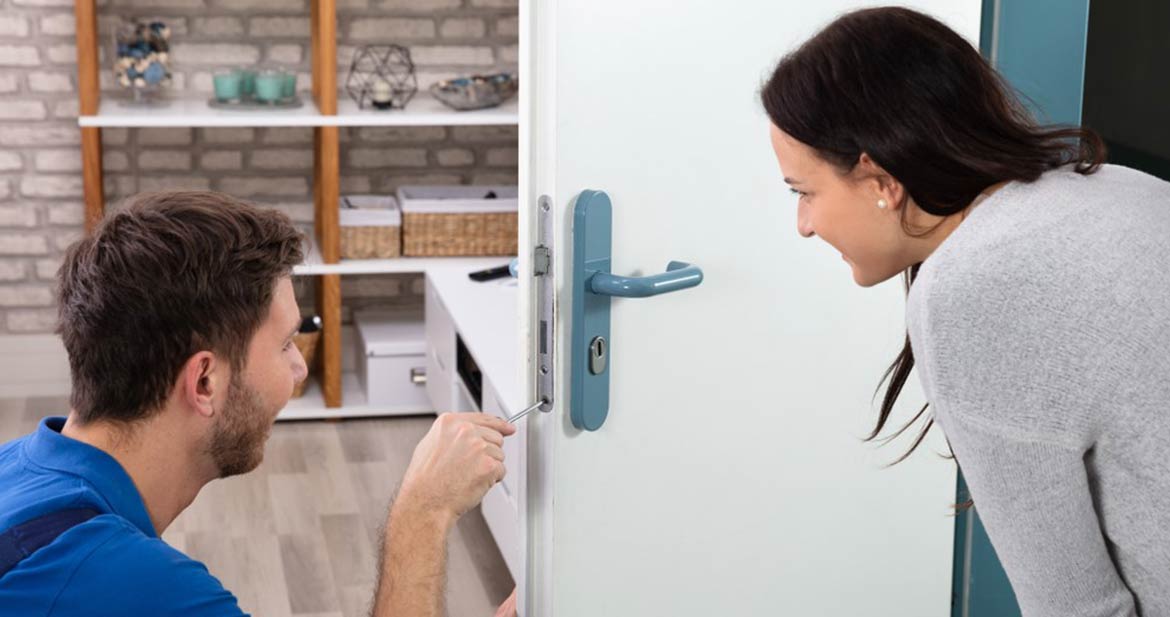
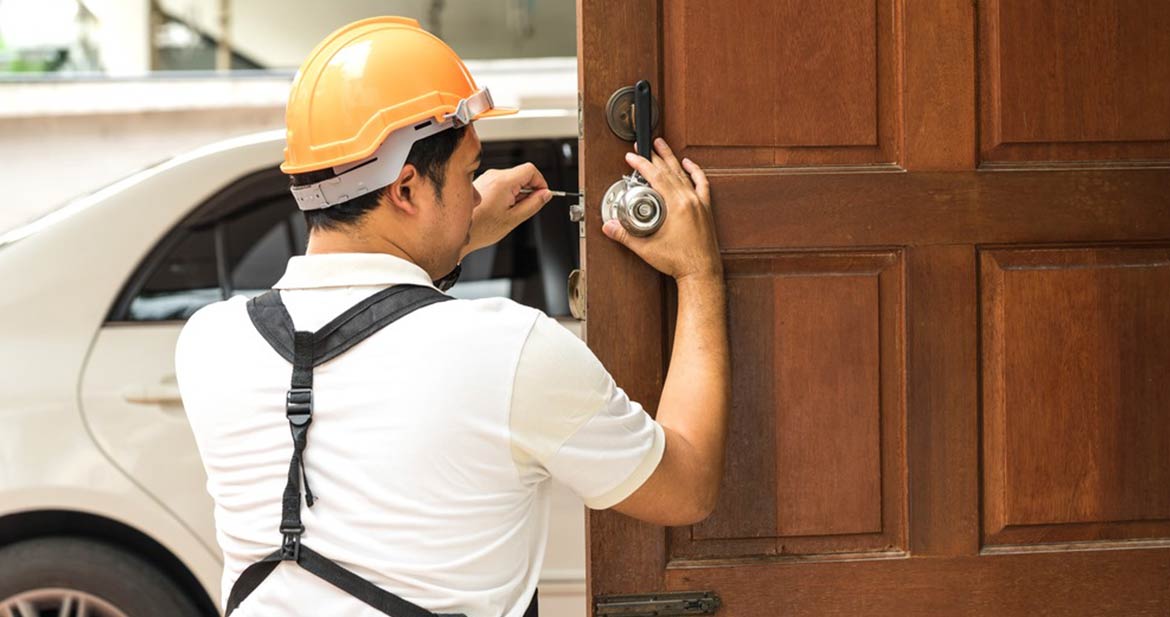
Proper door lock installation is crucial for ensuring the security and functionality of your locks. However, there are several common mistakes that can compromise their effectiveness. Understanding these pitfalls can help you avoid them and ensure your locks provide the security you need.

1. Incorrect Backset Measurement:
The backset is the distance from the edge of the door to the center of the lock hole. If this measurement is incorrect, the lock may not align properly with the strike plate, leading to ineffective locking and potential security vulnerabilities. It’s essential to measure the backset accurately before installation and ensure that the lock you choose matches this measurement.

2. Poorly Drilled Holes:
Drilling holes for the lock cylinder and latch must be precise. Holes that are too large or poorly aligned can result in a loose fit, making the lock easier to tamper with or causing it to function improperly. Using the wrong size drill bit or an imprecise drilling technique can lead to issues that compromise both the lock’s security and its operation.

3. Misalignment of Strike Plate:
The strike plate is the metal plate mounted on the door frame that the latch bolt extends into. If the strike plate is misaligned, the latch may not fully engage, leaving the door less secure. Proper alignment is crucial; the latch should fit snugly into the strike plate without any gaps. Misalignment can be caused by inaccurate drilling or improper placement of the strike plate.

4. Inadequate Reinforcement:
For added security, the area around the lock and strike plate should be reinforced. Inadequate reinforcement can leave the door vulnerable to forced entry. Using high-quality, reinforced strike plates and installing additional hardware, such as a metal plate or security strike, can help enhance the door’s resistance to tampering.

5. Using the Wrong Type of Lock:
Different types of doors require different locks. For instance, a standard deadbolt may not be suitable for a sliding glass door or a metal door without specific hardware. Choosing the wrong type of lock can result in poor performance and compromised security. Ensure that the lock you select is appropriate for the type of door and its intended use.

6. Overlooking Door and Frame Condition:
The condition of the door and frame can significantly affect lock installation. A door that is warped, damaged, or improperly hung can prevent the lock from functioning correctly. Similarly, a door frame that is not properly aligned or is weakened can compromise the effectiveness of the lock. Ensure that the door and frame are in good condition before installing a new lock.

7. Failing to Test the Lock:
After installation, it’s important to test the lock thoroughly to ensure it functions as expected. This includes checking the operation of the key, the smoothness of the latch mechanism, and the alignment of the lock with the strike plate. Failure to test the lock can lead to issues going unnoticed until they become a security concern.

8. Not Following Manufacturer’s Instructions:
Each lock comes with specific installation instructions from the manufacturer. Failing to follow these guidelines can result in improper installation and reduced effectiveness. Always read and adhere to the instructions provided to ensure that the lock is installed correctly and functions as intended.

Avoiding these common mistakes can help you achieve a secure and properly functioning door lock installation, providing peace of mind and enhanced protection for your property.

Lorem ipsum dolor sit amet, consectetur adipiscing elit, sed do eiusmod tempor incididunt ut labore et dolore magna aliqua.

Read More

How to Replace a Door Lock

Locksmith Pembroke Pines

Replacing a door lock is a straightforward process that can significantly enhance the security of your home. Whether you’re upgrading to a more secure lock or simply replacing a worn-out one, following the correct steps ensures a smooth and effective installation. Here’s a comprehensive guide to help you through the process:

1. Choose the Right Replacement Lock

Before you begin, select a lock that suits your needs. Consider the type of lock you currently have and the level of security you desire. Common types include deadbolts, knob locks, and electronic locks. Ensure that the new lock matches the existing hole and backset measurements of your door or be prepared to make adjustments.

2. Gather Tools and Materials

You’ll need a few basic tools and materials:

  • New door lock and hardware
  • Screwdriver (flathead and Phillips)
  • Drill and bits (if modifications are needed)
  • Tape measure
  • Wood filler (for covering old screw holes if needed)
  • Chisel (for adjustments)

3. Remove the Old Lock

a. Remove the Lock Screws: Start by unscrewing the screws on the interior side of the door. These screws hold the lock’s interior and exterior components together. Depending on the type of lock, you may need to remove screws from the latch plate as well.

b. Detach the Lock Components: Once the screws are removed, pull apart the interior and exterior parts of the lock. For knob locks, you may need to push in a release button or tab to separate the two halves. For deadbolts, remove the mounting screws and take out the bolt mechanism.

c. Remove the Latch Plate and Strike Plate: If the latch plate (the metal plate on the door edge) and the strike plate (the metal plate on the door frame) are part of the old lock, remove these as well. You may need to use a screwdriver or drill to remove the screws.

4. Prepare the Door for the New Lock

a. Inspect the Door and Frame: Check for any damage or wear that might need repair before installing the new lock. Fill any old screw holes with wood filler if needed and allow it to dry completely.

b. Adjust the Hole Size and Alignment: If the new lock doesn’t fit the existing holes, you may need to drill new ones. Measure the backset (the distance from the edge of the door to the center of the lock hole) and ensure the new lock aligns with it. Use a chisel to adjust the mortise if necessary.

5. Install the New Lock

a. Insert the Latch Mechanism: Place the latch mechanism into the hole on the edge of the door. Secure it with screws, ensuring it’s flush with the edge of the door. Make sure the latch bolt operates smoothly.

b. Attach the Lock Components: For knob or lever locks, align the exterior and interior parts of the lock, ensuring the spindle (the rod connecting both sides) fits through the latch mechanism. Secure the components with screws.

c. Install the Strike Plate: Position the new strike plate on the door frame. Ensure it aligns with the latch bolt. Screw it into place, making sure the latch fully engages when the door is closed.

6. Test the New Lock

a. Check Functionality: Test the new lock by locking and unlocking it several times. Ensure that the key turns smoothly and the latch bolts securely into the strike plate.

b. Inspect Alignment: Close the door and check the alignment of the latch with the strike plate. Make any necessary adjustments to ensure a proper fit.

7. Make Final Adjustments

If the new lock requires any fine-tuning or adjustments to fit perfectly, now is the time to make those changes. This might involve adjusting the latch plate, strike plate, or the alignment of the lock components.

By following these steps, you can effectively replace a door lock and improve the security of your home. Remember, if you encounter any issues or if the installation seems beyond your expertise, don’t hesitate to consult a professional locksmith.

Lorem ipsum dolor sit amet, consectetur adipiscing elit, sed do eiusmod tempor incididunt ut labore et dolore magna aliqua.

Read More